
Loading...
Loading...
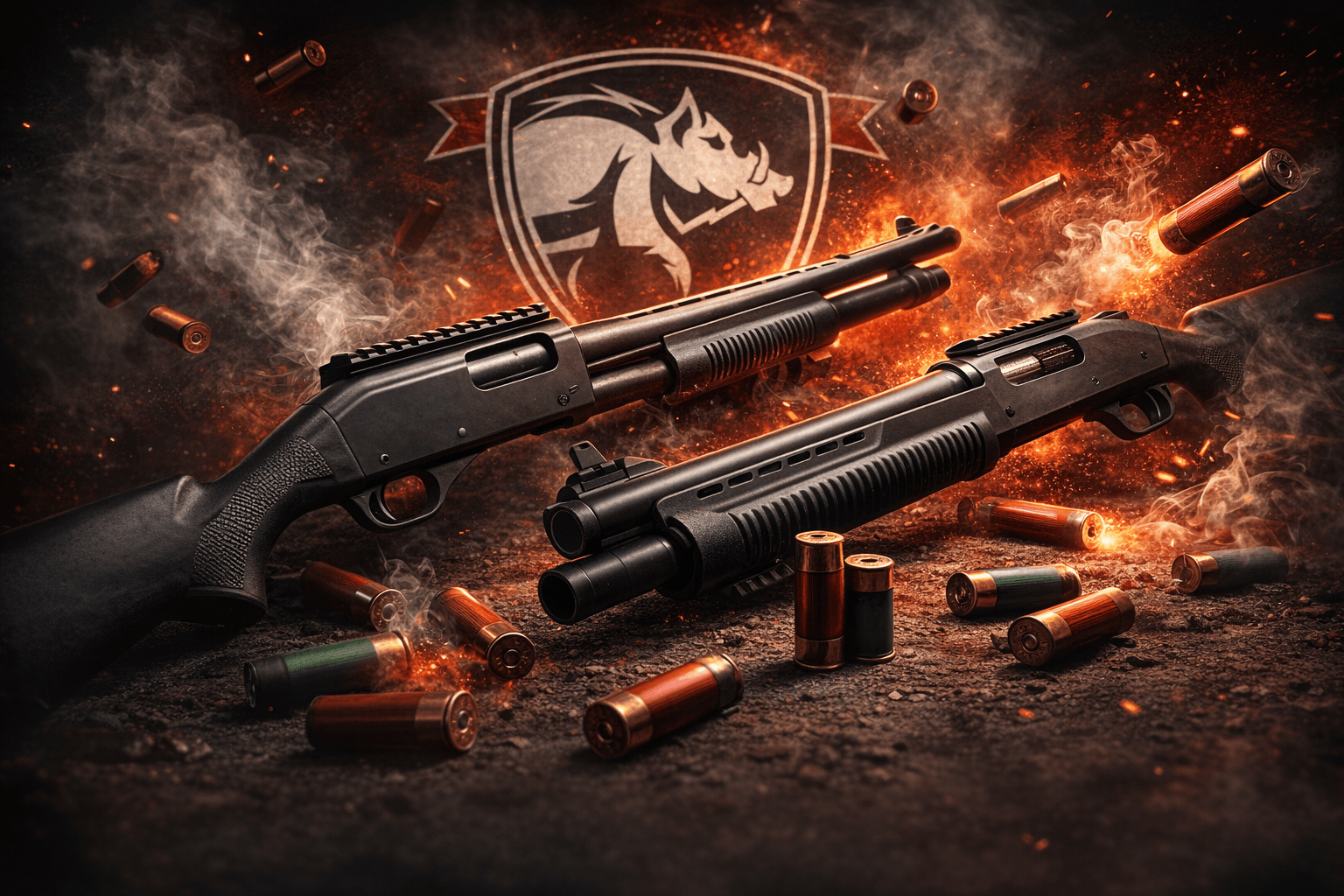
Shotguns have stayed popular because they are versatile, powerful, and adaptable to many tasks. Among the most common types are pump action and semi-automatic shotguns, each with a different feel, handling style, and shooting rhythm.
This guide breaks down how both systems work, what they are good for, and what to think about before choosing one.
A shotgun is a long gun that fires shotshells rather than rifle or handgun cartridges. Most shotguns are chambered in 12 gauge, though 20 gauge and .410 bore are also common. They are used for hunting, clay shooting, home defense, and sporting purposes.
Shotguns can fire birdshot, buckshot, or slugs, which gives them a wide range of uses. That flexibility is one reason they remain common among both new and experienced shooters.
| Type | Action | Common Use |
|---|---|---|
| Pump action shotgun | Manual cycling | Hunting, defense, sport shooting |
| Semi-automatic shotgun | Self-loading | Sport shooting, hunting, defense |
| Break action shotgun | Hinge-open design | Hunting, simple field use |
Pump action shotguns use a fore-end that the shooter moves by hand to eject the spent shell and chamber the next one. This creates a reliable and familiar operating system that many shooters trust. The manual action also gives the shooter direct control over each cycle.
Pump action models are widely used because they are simple to understand and maintain. They often handle a wide range of loads, from lighter target shells to heavier buckshot and slugs. That flexibility helps in many shooting roles.
Simple manual operation.
Broad ammo compatibility.
Strong reputation for durability.
Clear feedback during cycling.
Widely available in many price ranges.
The pump action design appeals to shooters who value control and mechanical simplicity. It also gives a distinct rhythm that many people learn quickly on the range.
Semi-automatic shotguns use energy from the fired shell to cycle the action and load the next round. This means the shooter does not have to pump the fore-end after each shot. The result is a smoother firing sequence and quicker follow-up shots.
These shotguns often appeal to clay shooters, field hunters, and defensive users who want reduced felt recoil and faster repeat shots. Many models are designed to run well with specific shell types and power levels. That makes ammunition choice an important part of ownership.
Faster follow-up shots.
Less manual effort during firing.
Often softer felt recoil.
Smooth shooting rhythm.
Good choice for frequent range use.
Semi-automatic shotguns can feel very fluid in use. Once a reliable load is found, they often provide a fast and comfortable shooting experience.
Pump action shotguns usually put more responsibility on the shooter to cycle the gun after each shot. That movement becomes second nature with practice. The action also gives a strong sense of control, since the shooter decides when the next shell enters the chamber.
Semi-automatic shotguns can reduce felt recoil because part of the energy from firing is used to operate the action. This can make longer shooting sessions easier on the shoulder. Some shooters appreciate that smoother feel, especially during high-volume target work.
| Feature | Pump Action | Semi-Automatic |
|---|---|---|
| Recoil feel | Often sharper | Often softer |
| Cycling | Manual | Automatic |
| Shot rhythm | Slower, deliberate | Faster, smoother |
| User effort | Higher | Lower |
| Learning curve | Very manageable | Also manageable |
Both shotgun types use shotshells, but not every shotgun handles every shell the same way. The chamber length must match the shell length, and the firearm manual should always be checked before loading. Common shell lengths include 2 3/4 inch, 3 inch, and in some models 3 1/2 inch.
Pump action shotguns often tolerate a broader range of shell power, including lighter training loads and heavier defensive or hunting loads. Semi-automatic shotguns may need a specific range of shell power to cycle correctly. That makes ammo selection especially important for consistent function.
Birdshot, for clay targets and birds.
Buckshot, for larger targets and defensive use.
Slugs, for a single projectile and longer distance.
Light target loads, for practice and sport shooting.
Choosing the right shell helps the shotgun perform the way it was intended. Ammunition that is too light or too heavy for the system can affect cycling and comfort.
Pump action shotguns are common for home defense, field use, and general utility. Their simplicity and broad ammo compatibility make them attractive to many owners. They also remain a favorite for people who want a rugged, straightforward shotgun.
Semi-automatic shotguns are often chosen for clay shooting, hunting, and situations that benefit from quicker follow-up shots. They can also be appealing for users who want a softer shooting experience. The right choice depends on the user’s priorities and comfort level.
Home defense.
Bird and small game hunting.
Clay target sports.
Training and familiarization.
General outdoor use.
Each role places different demands on the shotgun. A clay shooter may favor fast cycling and low recoil, while a hunter may care more about load flexibility and field reliability.
Pump action shotguns are often praised for their straightforward maintenance. Fewer moving parts can make cleaning and inspection simple. Regular cleaning of the barrel, chamber, and action helps keep the shotgun running well.
Semi-automatic shotguns usually need more attention to keep them cycling properly. Gas systems and recoil systems may require routine cleaning, and the owner should follow the manufacturer’s instructions closely. Using the right ammo also supports reliable operation.
Clean the barrel after use.
Inspect the chamber and action.
Check for residue buildup.
Lubricate moving parts lightly.
Review magazine and loading system condition.
Follow the manual for disassembly and reassembly.
Good upkeep supports reliability and extends the service life of either shotgun type.
The better choice comes down to purpose, comfort, and expected use. A pump action shotgun fits well for shooters who want simple operation and wide load flexibility. A semi-automatic shotgun fits well for those who want faster follow-up shots and smoother recoil.
Fit and feel matter a lot. If the shotgun shoulders naturally and the controls make sense to the user, training becomes easier. Range time with both styles often makes the decision much clearer.
| Priority | Better Fit |
|---|---|
| Simple manual control | Pump action |
| Faster firing rhythm | Semi-automatic |
| Wider ammo tolerance | Pump action |
| Softer recoil feel | Semi-automatic |
| Lower mechanical complexity | Pump action |
Pump action and semi-automatic shotguns both have strong followings for good reason. One offers manual control and broad versatility, while the other delivers smoother cycling and faster shooting.
The right shotgun is the one that matches the job, feels comfortable in the hands, and runs reliably with the right shells. A little research and hands-on testing go a long way before making the final choice.